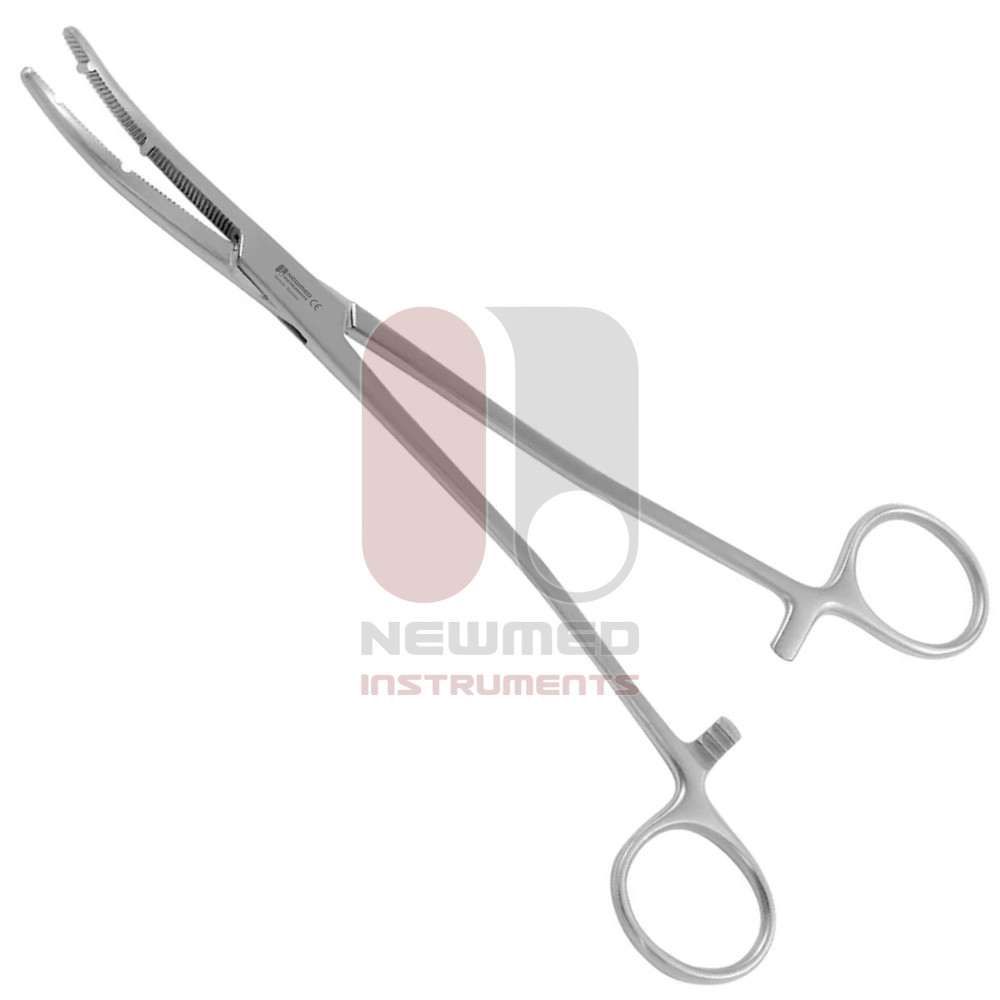
Precision remains the cornerstone of successful surgical outcomes in the medical field. Every procedure requires tools designed specifically for the unique anatomical challenges presented by the human body. In gynecological surgery, having the right instrument can make a significant difference in both the efficiency of the procedure and the recovery of the patient. New Med Instruments is dedicated to supplying healthcare professionals with high-quality tools that meet these rigorous standards. Among the essential tools in a gynecological surgeon's arsenal is the heaney curette, a specialized instrument favored for its specific design and utility in uterine procedures. Understanding its role is vital for medical students and seasoned surgeons alike who strive for excellence in patient care.
Understanding the Design and Purpose
The Heaney curette is distinct from other curettes due to its serrated loop design. While standard curettes often feature a smooth edge for scraping, the serrated edge of this instrument allows for more aggressive tissue removal when necessary. This design feature makes it particularly useful in situations where fibrous tissue needs to be detached from the uterine wall. Surgeons rely on the tactile feedback provided by this instrument to gauge the texture of the tissue they are working on. The sturdy handle and ergonomic design ensure that the surgeon maintains control throughout the procedure, minimizing the risk of slippage or unintended tissue damage. This balance of strength and precision is why many professionals choose this specific tool for complex cases.
Applications in Hysterectomy Procedures
One of the primary settings where this instrument shines is during vaginal hysterectomies. This surgical procedure involves the removal of the uterus through the vaginal canal, a technique that often requires working in tight spaces with limited visibility. The heaney curette proves invaluable here for dissecting and removing endometrial tissue or remaining fragments that might be difficult to grasp with forceps alone. Its ability to scrape and hold tissue securely aids surgeons in ensuring that the surgical field is clear and that all necessary tissue has been excised. The serrated edge grips the tissue effectively, allowing for a cleaner removal process compared to smooth-edged alternatives. This efficiency contributes to shorter operating times and potentially reduced blood loss for the patient.
Role in Diagnostic Dilation and Curettage
Dilation and Curettage, commonly known as D&C, is a frequent procedure used for both diagnostic and therapeutic purposes. While many D&C procedures utilize a sharp or suction curette, there are specific instances where the Heaney variant is preferred. If a patient presents with particularly dense endometrial lining or suspected polyps that are adherent to the uterine wall, the serrated loop of the heaney curette offers the mechanical advantage needed to obtain an adequate sample. Pathology labs require sufficient tissue quality to make accurate diagnoses regarding abnormal bleeding or potential malignancies. By using an instrument that can effectively harvest this tissue without crushing it, surgeons ensure that the diagnostic results are reliable and precise.
Importance of Material Quality in Surgical Instruments
The effectiveness of any surgical tool is heavily dependent on the quality of the materials used in its manufacturing. High-grade stainless steel is the standard for instruments like the heaney curette because it resists corrosion and maintains sharpness over repeated sterilization cycles. New Med Instruments prioritizes these material standards to ensure that every tool performs consistently from the first use to the hundredth. A dull or corroded instrument can compromise surgical precision and increase the risk of infection or tissue trauma. Investing in premium instruments means investing in patient safety. Surgeons who use top-tier tools can focus entirely on their technique, knowing that their equipment will not fail them during critical moments of a procedure.
Handling and Sterilization for Longevity
Proper care and maintenance are essential for preserving the functionality of serrated instruments. Because the heaney curette features delicate serrations along its loop, it requires careful cleaning to remove all biological debris before sterilization. Debris left in the serrations can become hard and difficult to remove, potentially dulling the edge or harboring bacteria. Healthcare facilities must follow strict protocols for decontamination and autoclaving to maintain the instrument's sterile integrity. Regular inspection of the serrated edge is also recommended to check for any signs of wear or damage. By adhering to rigorous maintenance schedules, hospitals and clinics ensure that their surgical inventory remains ready for immediate use, supporting the workflow of busy operating rooms.
Enhancing Surgical Education and Training
Medical students and residents learning gynecological surgery must become proficient with a variety of instruments to handle diverse clinical scenarios. Introduction to specialized tools like the gracey curette is a critical part of this educational journey. Mentors demonstrate how the specific angle and edge of the instrument can be manipulated to achieve the desired clinical result safely. Understanding when to select a serrated curette versus a smooth one demonstrates a surgeon's deepening knowledge of tissue mechanics and surgical strategy. As the next generation of healthcare providers trains with high-quality instruments from New Med Instruments, they develop the muscle memory and tactile sensitivity required for expert surgical practice.
Commitment to Superior Service and Patient Care
The ultimate goal of using precise instrumentation is to improve the quality of life for patients. When a surgeon utilizes a heaney curette effectively, they are contributing to a procedure that is thorough and conducted with the highest level of professional care. New Med Instruments supports this mission by providing tools that surgeons can trust implicitly. The relationship between a supplier and a medical professional is built on this foundation of reliability. By ensuring that every instrument meets exact specifications, the company empowers healthcare providers to deliver superior service. Patients benefit from procedures that are performed smoothly and efficiently, leading to better recovery experiences and health outcomes.